

Paranda vs Parandi: What's the Difference?
Paranda and parandi are the same core accessory: a decorative tassel braided into the hair. The terms differ slightly by region, generation and size. In most of Punjab and among the diaspora in Australia, "paranda" is the more widely used word for the full-length braided hair tassel worn at weddings and festivals, while "parandi" often (though not always) refers to a shorter or lighter version of the same accessory. Sellers use the two terms differently, and this guide sets out exactly where the overlap and the differences lie.
What is a paranda, exactly?
A paranda is a traditional Punjabi hair accessory made from silk, wool, or synthetic threads, woven or braided into a long tassel that attaches to the end of a plait and hangs well below it. Historically, parandas were handmade using thick silk threads dyed in bold colours, often finished with tassels, beads, small bells (ghungroo), or metallic thread work. Brides traditionally wear an elaborate, often red and gold paranda as part of their full bridal look. Simpler versions are worn for everyday festive occasions like Lohri, Baisakhi, and family celebrations.
The paranda isn't just decorative. In Punjabi folk tradition, the length and fullness of a paranda historically signalled festivity and celebration: the longer and more elaborate the tassel, the more significant the occasion. This is part of why bridal parandas tend to be the most elaborate version of the accessory, often extending well past the end of the braid itself.

What is a parandi, and how is it different?
A parandi refers to the same general style of hair tassel, but the name is more commonly used (particularly among younger generations and in some regional dialects) for a shorter, lighter, or more simplified version. Where a full bridal paranda might be thick, heavily tasselled, and reach far past the braid, a parandi is often more compact. It is easier to braid in quickly, lighter to wear through a full day of festivities, and sometimes styled in a single bold colour rather than the multi-coloured, heavily embellished bridal versions.
This isn't a fixed rule across all of Punjab or the diaspora, however. Some regions and families use "parandi" and "paranda" as pure synonyms with no size or style distinction at all. The two words are sometimes simply a dialectal variation of the same accessory, the way "jumper" and "sweater" mean the same thing in different parts of the English-speaking world.
Is there an official rule for which term to use?
There is no single industry standard that fixes the meaning of one term over the other. Sellers, including ourselves, use both words for very similar products depending on regional convention. The most reliable way to know what you're buying is to look at the actual product photos and length measurements rather than relying on the product name alone. Check the description and images directly if length, fullness, or bridal-versus-everyday styling matters to your purchase.

How do I choose between a paranda and a parandi for my occasion?
- For a full bridal or wedding-day look: choose a longer, fuller paranda that reaches from the crown of the braid to well past its end, ideally colour-matched to your outfit and other jewellery.
- For festivals or everyday cultural wear (Lohri, Baisakhi, family functions): a shorter parandi-style tassel is lighter, easier to manage through a full day, and simpler to braid in without help.
- For layering with modern or fusion outfits: shorter, simpler styles blend more easily into contemporary looks and don't overwhelm a Western-style outfit the way a full bridal paranda might.
- For young children or first-time wearers: a lighter parandi is easier to keep in place and more comfortable for longer wear.
How do you actually put a paranda or parandi in your hair?
Both accessories attach the same way. Start by braiding your hair as normal, leaving the last few centimetres loose. Tie the paranda or parandi securely at the base of the braid using its attached cord or ribbon, then continue braiding the remaining strands of the tassel into the hair itself so it sits securely rather than simply hanging off the end. For a fuller look, some people braid the tassel threads together with the hair for the last third of the plait; for a simpler style, the tassel can be tied on as a finishing piece without further braiding.
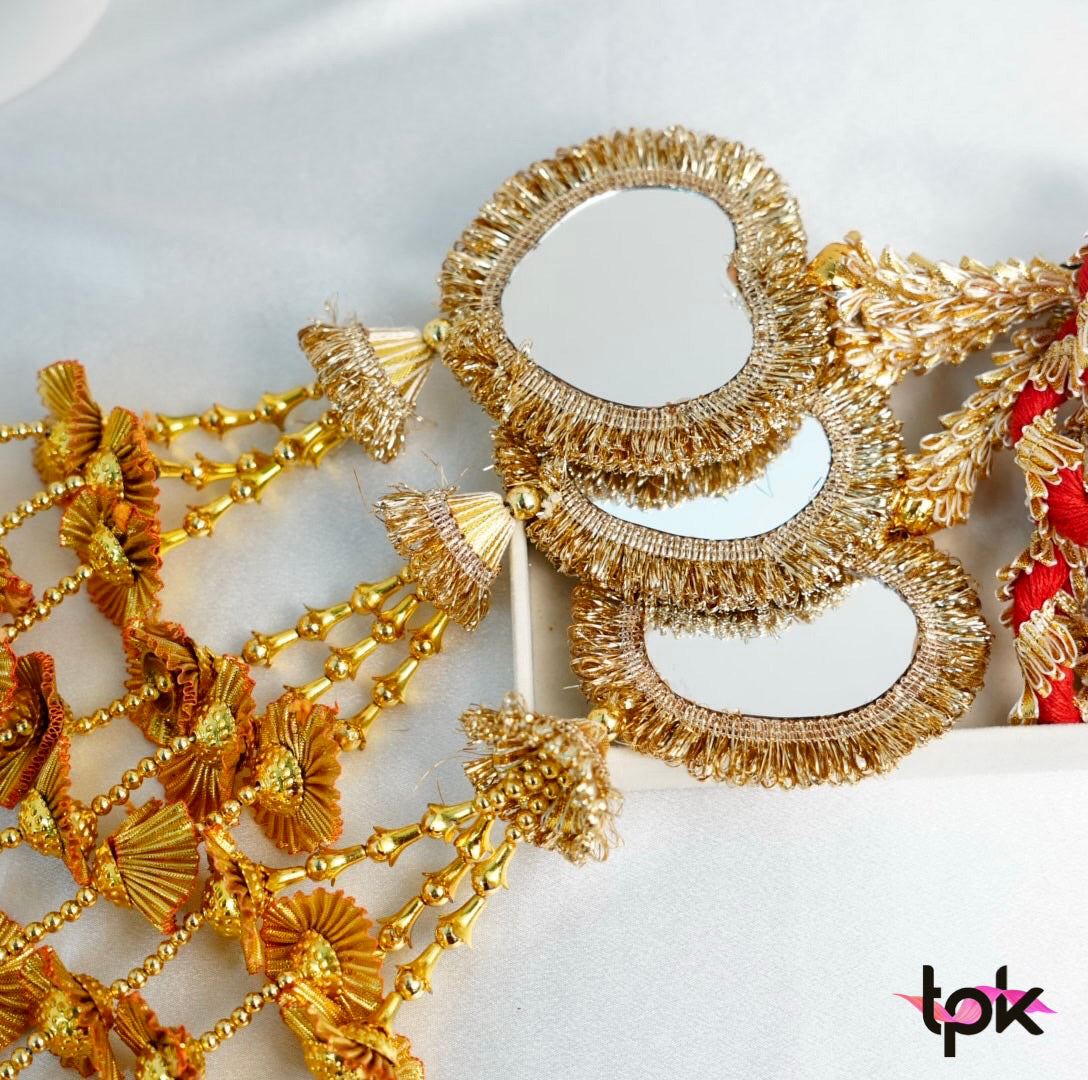
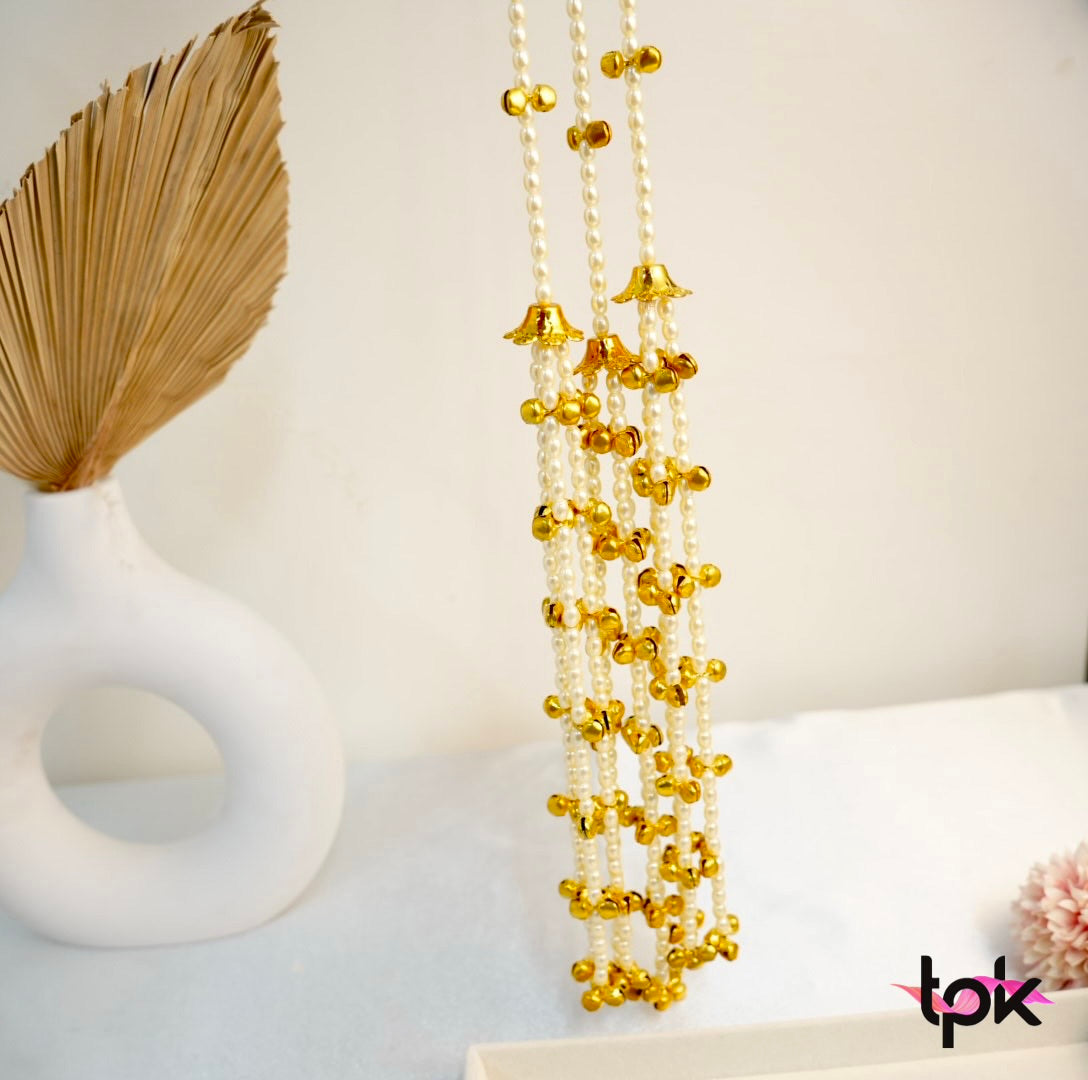
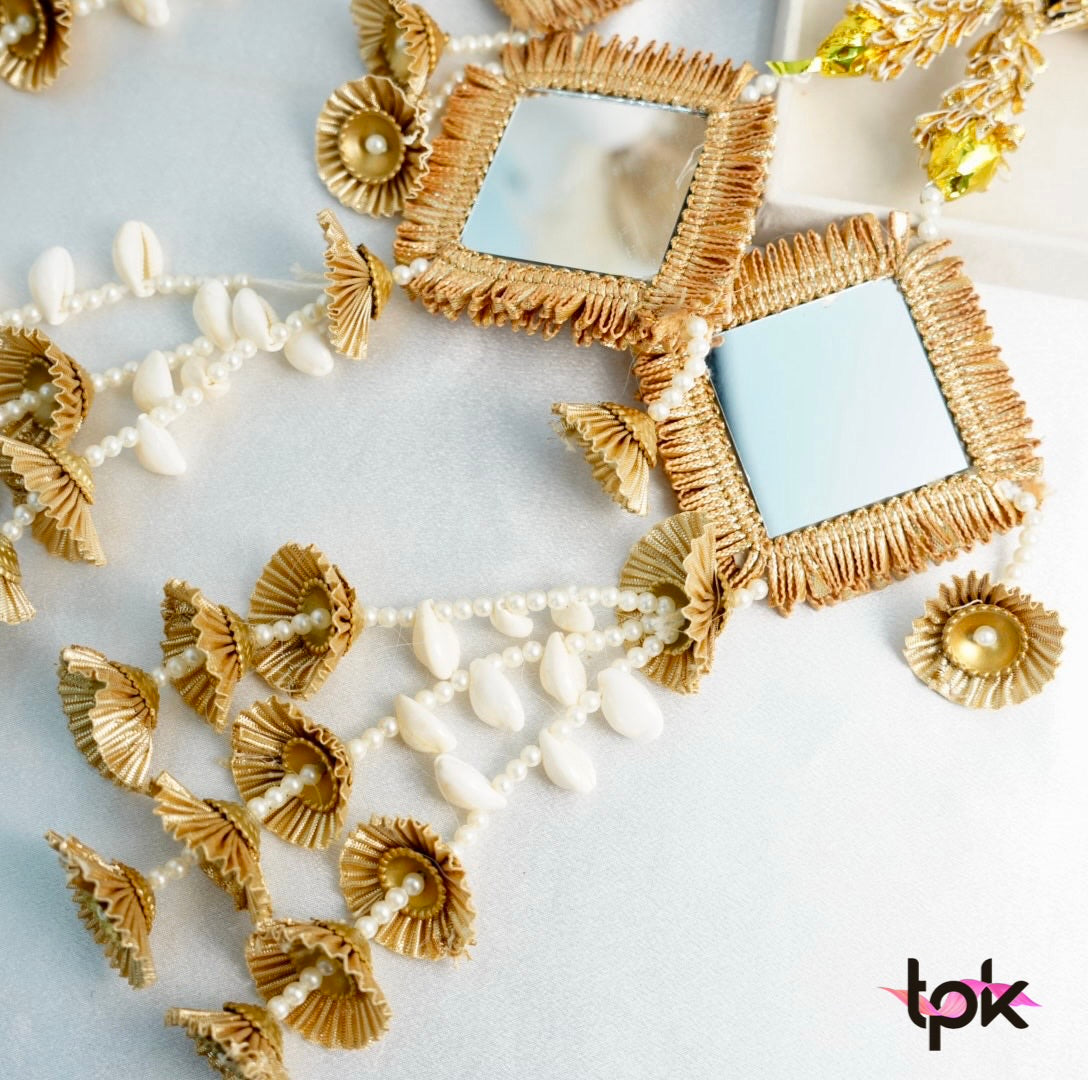
We stock a beautiful collection of Punjabi Parandi styles, including mirror-work, pearl, and sheesha designs, perfect for adding a traditional touch to your festive and everyday hairstyles.
How do I care for and store a paranda?
Because parandas are typically made from silk or synthetic thread rather than natural hair, they don't need washing the way hair does. Store your paranda loosely coiled in a drawer or box rather than tightly wound, which helps prevent the threads from becoming permanently creased. Keep it away from direct sunlight for long periods, as this can fade brightly dyed threads over time. If tassels or beads come loose, a small dab of fabric glue at the base usually secures them again.
Frequently asked questions
Can I wear a paranda with a short haircut?
Yes. A paranda or parandi can be clipped in rather than braided if your hair is too short to plait. Many modern versions come with an attached comb or clip specifically for this.
Are paranda and parandi the same price?
Pricing generally reflects the size, materials and detailing rather than the name used, so a longer, more heavily embellished piece will typically cost more regardless of whether it's labelled paranda or parandi.
Can men wear a paranda?
Traditionally, parandas are worn by women and girls. The accessory itself is unisex in design; it simply isn't commonly styled into men's hair.
Does the colour of a paranda mean anything?
Red and gold combinations are the most traditional for weddings, symbolising celebration and prosperity. Outside bridal contexts, colour is largely a matter of personal taste and outfit coordination, though many buyers choose shades that match their dupatta or suit.
Related reading
● Why a Paranda is So Much More Than Just a Hair Accessory
● Paranda Hairstyles: How to Wear a Paranda
