Collection: Jewellery

Punjabi Jewellery Australia: Handcrafted Pieces Rooted in Punjab's Craft Traditions

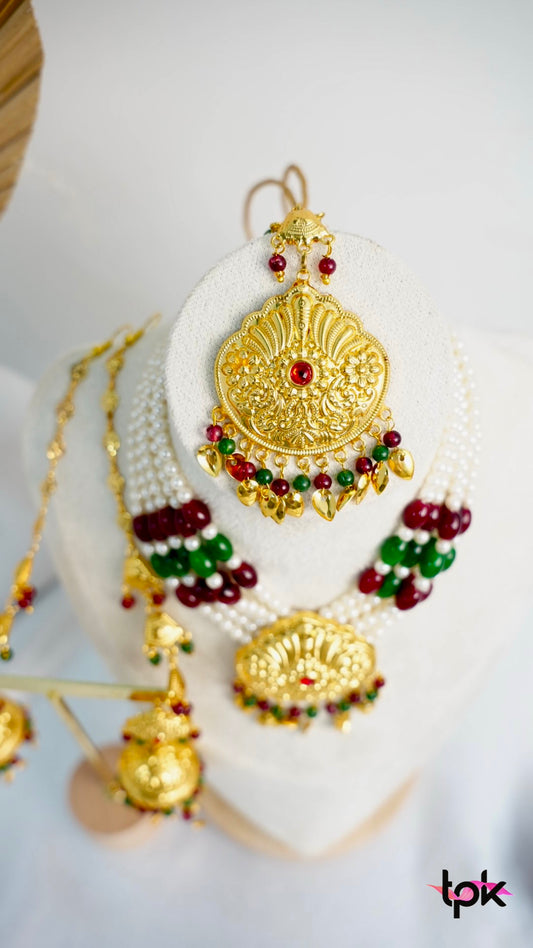
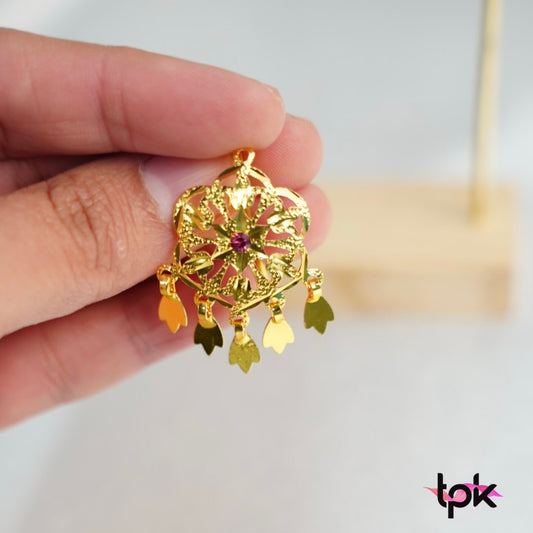
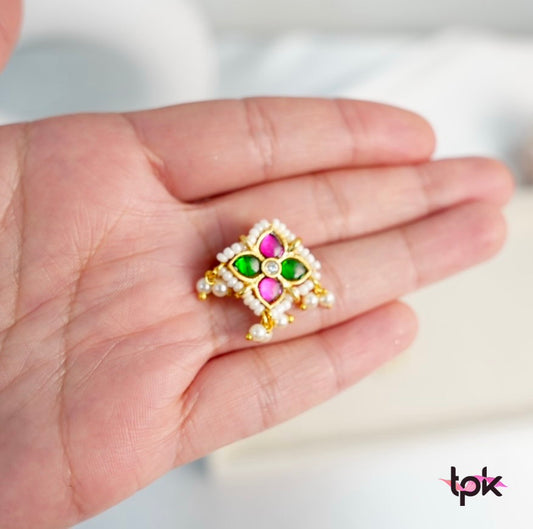
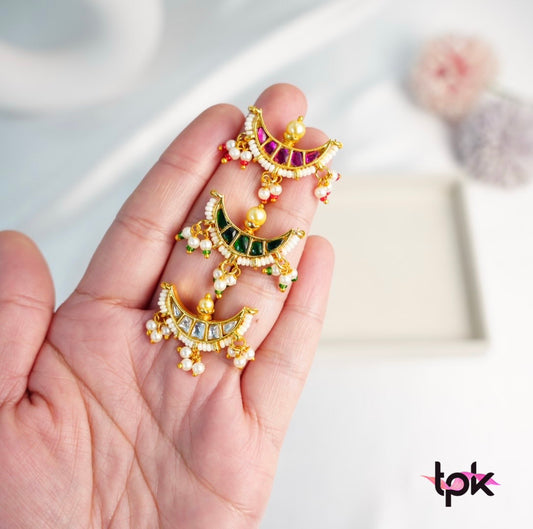
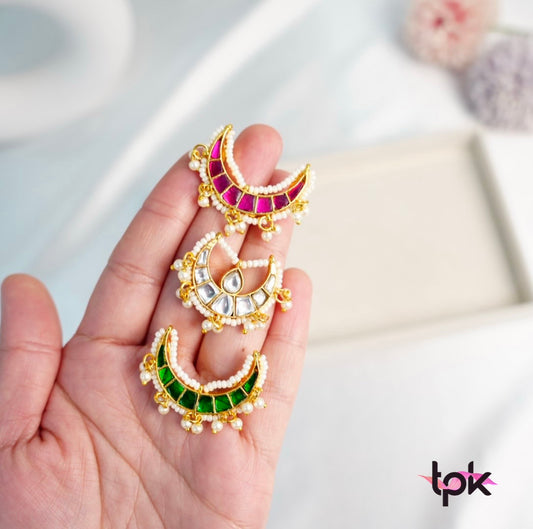
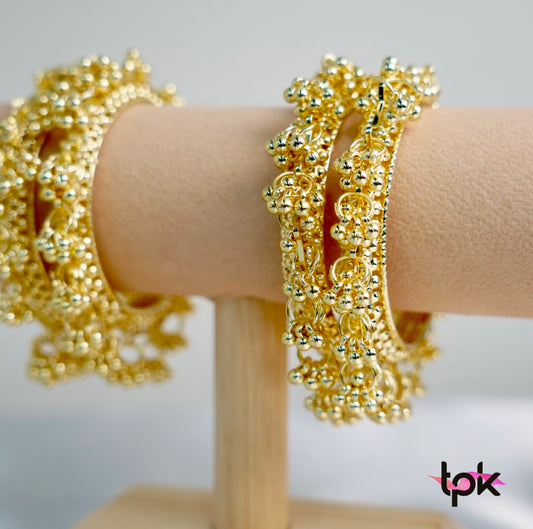
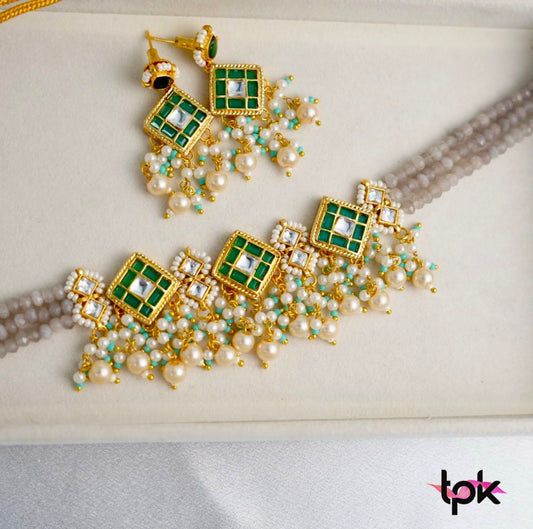
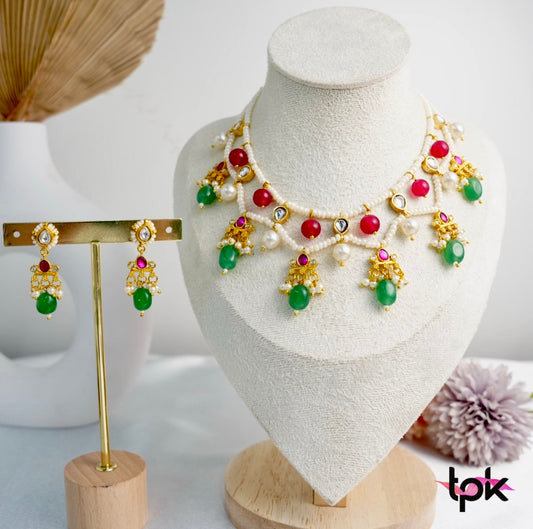
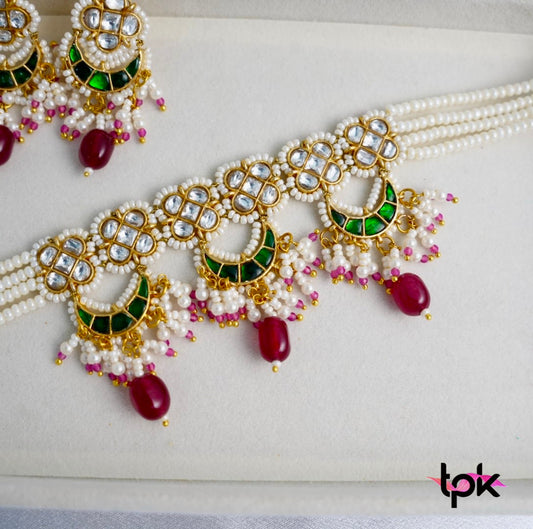
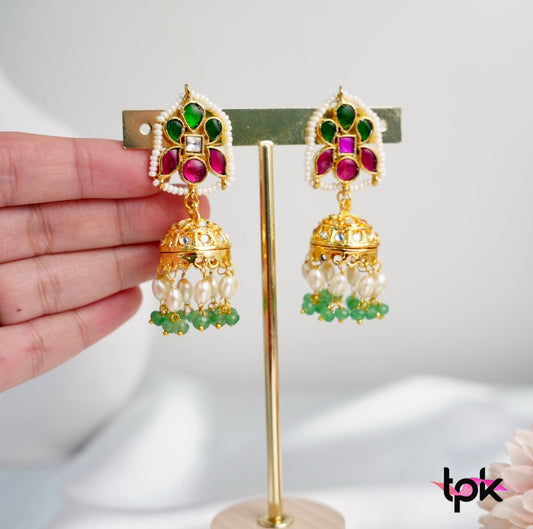
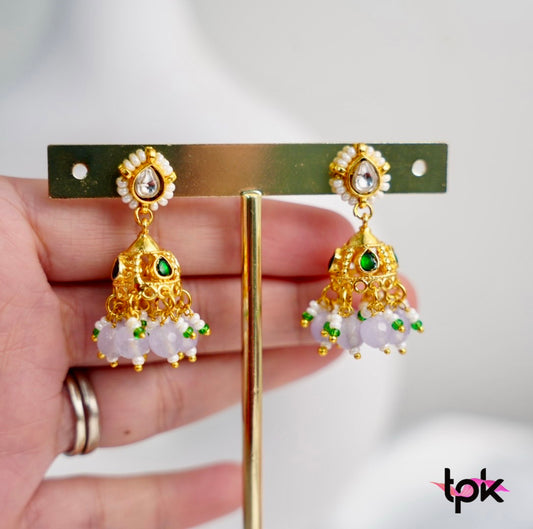
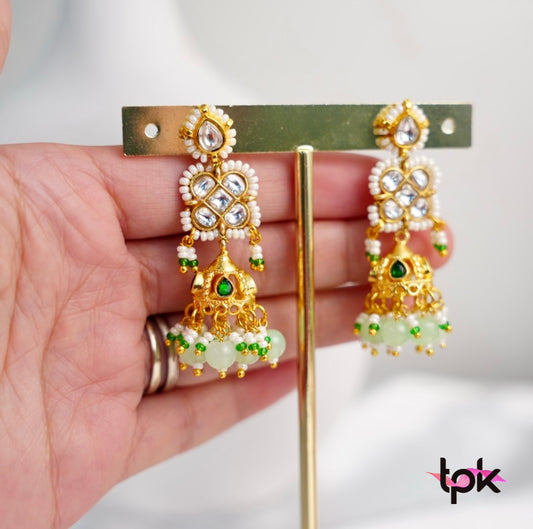
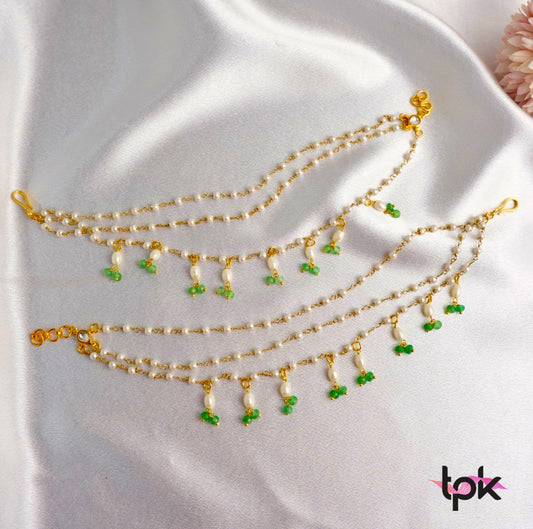
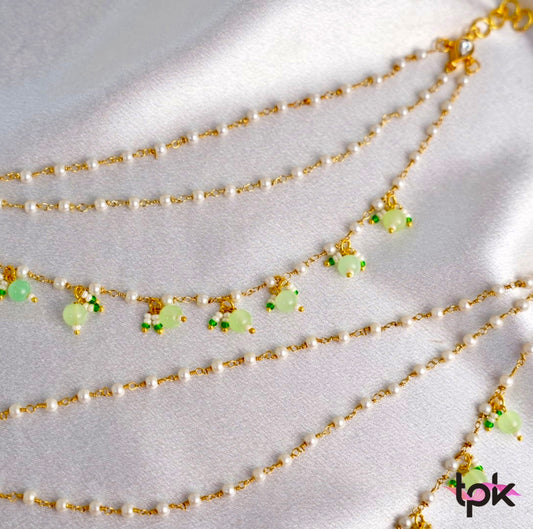
Punjabi jewellery from Australia refers to traditional accessories sourced from artisans in Punjab, India, and made available to the Australian diaspora through specialist retailers. Pieces include jhumka earrings, maang tikkas, parandas, kangan bangles, and passa headpieces. Designs reflect Punjab-region craft techniques including Kundan stone setting, Meenakari enamel work, and Phulkari-inspired colour patterns. The Punjabi Kudi ships across Australia from Sydney with free delivery on orders over $80.

Punjabi is spoken by 132,496 people in Australian homes, making it one of the ten most spoken non-English languages in the country (ABS, 2021). The Indian-born population in Australia passed 916,000 by June 2024, having more than doubled in a decade. For the hundreds of thousands of Punjabi families across Sydney, Melbourne, Brisbane, and Perth, finding authentic accessories for weddings, Vaisakhi, Lohri, and Diwali has historically required either sourcing from India directly or settling for generic "Indian jewellery" that lacks Punjab-specific design.

The Punjabi Kudi was built specifically to close that gap. Every piece in the collection is sourced from artisans in Punjab, with a selection of handmade designs available for customization on request.

What Makes Punjabi Jewellery Distinct From Indian Jewellery Generally?

Punjabi jewellery is distinguished by its bold scale, vibrant colour palettes influenced by Phulkari embroidery, and specific craft traditions originating from cities like Amritsar, Ludhiana, and Jalandhar. Where South Indian jewellery favours temple motifs and Tamil Nadu goldsmithing, Punjabi pieces emphasize layered necklaces, heavy jhumka earrings, elaborate headpieces (passa and maang tikka), and bangle stacks (kangan). The craft heritage draws on Kundan setting, Meenakari enamel, and Polki uncut diamond work.

The distinction matters to buyers because it determines styling compatibility. A Bengali bride wearing Punjabi jewellery for an Anand Karaj ceremony will find that Punjab-specific pieces align with the ceremony's visual aesthetic in ways that generic South Asian jewellery does not. Conversely, a second-generation Punjabi woman in Sydney who grew up watching her grandmother wear a specific style of gilded jhumka is searching for that exact cultural continuity.

Traditional Punjabi Jewellery Pieces: A Complete Guide

Piece Name Punjabi Term Where Worn Typical Occasions
Bell earrings Jhumka / Jhumki Ears Weddings, festivals, daily wear
Forehead ornament Maang Tikka / Tikka Centre parting to forehead Anand Karaj, Sangeet, Dholki
Side headpiece Passa / Jhoomar Left or right side of head Bridal ceremonies
Hair tassel Paranda Woven into braid Weddings, Vaisakhi, festivals
Bangles Kangan / Chura Wrists Bridal (Chura), festivals, celebrations
Nose ring Nath Nose (left nostril traditional) Bridal, religious ceremonies
Layered necklace Haar / Rani Haar Neck Bridal, formal occasions
Waist belt Kamarband / Tagdi Waist Bridal, classical dance, Giddha
Ankle chain Payal / Jhanjhar Ankles Festive, casual, bridal

Craft Techniques Behind Each Piece

Kundan Setting

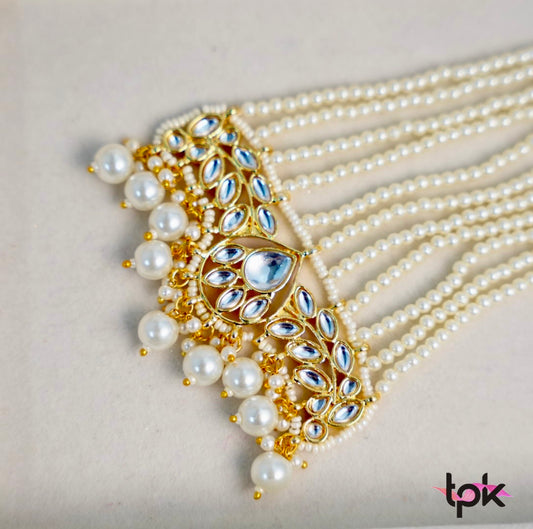
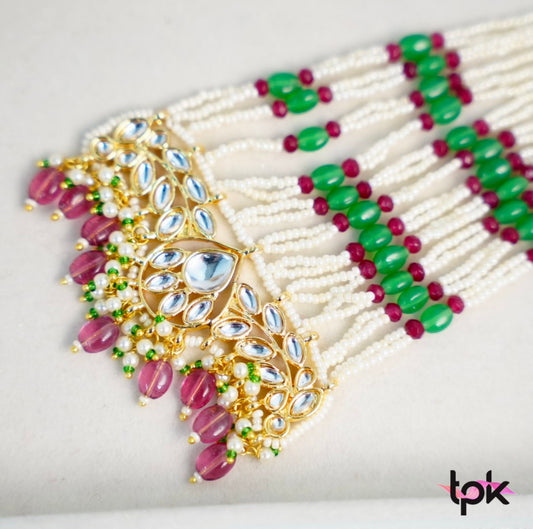
Kundan is a gem-setting method originating in Rajasthan and widely adopted by Punjab artisans. Stones are embedded in refined gold foil (kundan), with the reverse side typically finished in Meenakari enamel. The absence of claws distinguishes Kundan settings from Western-style prong mounts. Genuine Kundan pieces are considerably heavier than machine-pressed costume imitations.

Meenakari Enamel Work

Meenakari involves applying vitreous enamel to metal using a process of layered firing. The reverse of Kundan necklaces and earrings almost always features Meenakari work, creating a painted interior that is invisible when worn but signals authentic craftsmanship to those who know what to look for. Designs use floral motifs, peacocks, and geometric patterns drawn from Mughal-era decorative art.

Polki and Jadau

Polki uses uncut, naturally shaped diamonds embedded in gold. Jadau is a fusion of Kundan and Meenakari techniques, producing pieces where gemstones are set without the use of adhesives. Both methods are used in high-end Punjabi bridal sets. Fashion jewellery collections replicate the visual aesthetic using zirconia or glass stones, making these designs accessible across price points.

Buying Punjabi Jewellery in Australia: Online vs. Physical Store

Physical Punjabi jewellers in Australia are concentrated in Dandenong (Melbourne), Harris Park (Sydney), and Craigieburn (Melbourne). These stores offer gold jewellery at hallmarked 22-karat weights. Fashion and cultural jewellery, which includes jhumkas, tikkas, parandas, and bangles, is less consistently stocked. Selection depends heavily on which pieces each store imported in a given season.

Buying online from a specialist like The Punjabi Kudi solves three specific problems. Buyers in cities without a dedicated Indian jewellery precinct (Brisbane, Perth, Adelaide, Canberra) have direct access to the full range. Stock is curated specifically around Punjabi cultural pieces rather than general South Asian fine jewellery. Sydney-based customers can use click-and-collect from Northmead, available Monday to Thursday 9am-5pm and Friday 9am-1pm.

Punjabi Jewellery for Weddings and Ceremonies in Australia

Anand Karaj (Sikh Wedding Ceremony)

The Anand Karaj is the Sikh wedding ceremony performed at a Gurdwara. The bride traditionally wears a full set that includes a maang tikka at the centre parting, jhumka earrings, a nath or decorative nose piece, kangan bangles, chura (red and white ivory bangles), a necklace set, and payal anklets. The paranda, woven into the hair braid, is a distinctly Punjabi addition often worn by the bride and female family members.

Sangeet and Pre-Wedding Functions

Sangeet nights favor lighter pieces that allow for dancing. Jhumki earrings (smaller jhumka variations), a simple tikka, and a single-strand necklace are typical. Parandas with decorative tassels and mirror work are popular Sangeet accessories that photograph well under event lighting.

Vaisakhi and Festival Wear

Vaisakhi celebrations on 13-14 April each year draw large Punjabi community gatherings across Australian cities, particularly in Melbourne and Sydney. Festival styling leans toward bright Phulkari dupattas paired with kundan-style tikkas and colorful paranda sets. The combination of phulkari textile and Punjabi jewellery is the signature aesthetic of Punjabi women's festival dress.

How to Measure Bangle Size at Home

To measure bangle size, fold your thumb against your palm (as if trying to slide a bangle on), then measure the widest circumference of your hand in centimetres. Divide that measurement by 3.14 (pi) to get the inner diameter. A diameter of 6 cm corresponds to a small bangle; 6.5 cm to medium; 7 cm to large. Standard Indian sizing uses these diameters directly, so a size 2.6 bangle has an inner diameter of approximately 6.6 cm.

Caring for Punjabi Jewellery in the Australian Climate

Australia's coastal cities combine high humidity with strong UV exposure. Both conditions affect fashion jewellery differently than fine gold. Oxidized silver darkens further in humid conditions. Kundan-replica pieces that use adhesive stone settings can loosen if stored in bathroom environments. A few storage principles protect your pieces.

  • Store in individual cloth pouches or compartmentalized boxes to prevent pieces scratching each other.
  • Keep away from perfume and hairspray; apply both before wearing jewellery, not after.
  • Wipe with a soft, dry cloth after wearing to remove skin oils, particularly in summer.
  • For oxidized silver pieces, avoid silver polishing cloths; these remove the intentional darkening.
  • Pieces with glass or zirconia stones should be stored lying flat rather than hanging, to prevent setting stress over time.

Frequently Asked Questions

Does The Punjabi Kudi ship across Australia?

Yes. Free standard shipping applies to all orders over $80 Australia-wide. Orders under $80 incur a $10 flat rate. Standard delivery takes 3 to 5 business days; express delivery takes 1 to 3 business days. Click-and-collect is available from Northmead, Sydney.

Are the pieces handmade?

The collection is sourced from artisans in Punjab, India. Select designs described as handmade are produced by individual craftspeople using traditional techniques. Some handmade designs can be customized on special request; contact the store directly to discuss specific requirements.

What is the difference between a jhumka and a jhumki?

A jhumka is the larger bell-shaped earring with a wide dome, multiple hanging bells or chains, and often a heavy base element. A jhumki is a smaller version of the same design, suited for casual or everyday wear. Both originate from the same craft tradition and are among the most recognizable Punjabi jewellery forms.

Can I buy a full Punjabi bridal jewellery set?

The Punjabi Kudi stocks individual pieces and coordinated sets. For a complete bridal set, contact the store to discuss available tikka-and-earring combinations, necklace sets, and paranda selections. Custom orders and personalization requests are considered on a case-by-case basis depending on artisan availability.

Is Punjabi jewellery the same as Indian jewellery?

Punjabi jewellery is a subset of Indian jewellery, specific to the cultural traditions of the Punjab region. It is distinguished by bold scale, Phulkari-influenced colour use, and craft techniques like Kundan and Meenakari that developed in the Punjab and Rajasthan corridor. It differs from Tamil, Bengali, Gujarati, and Rajasthani jewellery traditions in design aesthetic and occasion context.

What is a paranda?

A paranda is a traditional Punjabi hair ornament made from silk or wool threads, woven into a braid as an extension. It typically ends in decorative tassels, mirrors, coins, or pompoms. Parandas are worn at weddings, Vaisakhi, and other festive occasions. They are specific to Punjabi culture and are not found in most other South Asian jewellery traditions.