

How to Polish a Silver Necklace the Right Way
Polishing a silver necklace means using a treated cloth or fine polishing compound to physically remove a thin layer of tarnish and restore reflectivity to the metal surface. Unlike a soap-and-water clean, which lifts dirt and oils, polishing works on tarnish that has already bonded to the silver. The right technique uses light, straight-line strokes rather than circular rubbing, and always finishes with a clean, dry buff.
This guide breaks down the tools worth owning, the correct polishing technique for chains versus flat pendants, and how often polishing should actually happen.
Polishing vs. Cleaning: What's the Difference
Cleaning removes surface dirt, oils, and light residue using soap or a soak. Polishing goes a step further and addresses tarnish that has chemically bonded to the metal, using mild abrasion to lift it away.
A necklace that looks dull but not discolored usually needs cleaning. A necklace with visible black or grey spots needs polishing, since that discoloration will not come off with soap alone.

Tools for Polishing Silver
Polishing cloths are the most common and safest tool for home use. These come pre-treated with a mild polishing compound on one side and a clean buffing layer on the other. They are the standard recommendation for regular maintenance.
Polishing compounds and pastes offer stronger tarnish removal for heavily discolored pieces. These are applied with a separate soft cloth and require more careful rinsing afterward to remove any residue from engravings.
Silver polishing gloves work well for chains, since the fabric wraps around links and reaches areas a flat cloth cannot.
Avoid anything marketed as an all-purpose metal polish unless it specifically states it is safe for silver jewellery. Polishes designed for silverware or household fixtures are often too abrasive for fine jewellery.

Step-by-Step Polishing Technique
Lay the necklace flat on a clean, soft surface. Working on a hard countertop increases the risk of scratching the piece if it slips from your grip.
Hold a small section of chain or the pendant firmly but gently. Using the treated side of the polishing cloth, rub in a single direction along the length of the piece rather than in circles. Straight-line strokes follow the natural grain of the metal's surface and reduce the risk of fine swirl marks that circular motions can leave behind.
Apply light pressure. Polishing compounds are designed to work with minimal force, and pressing too hard removes more silver than necessary along with the tarnish, gradually thinning the piece over repeated use.
Move section by section along the chain, checking your progress under good light. Once the tarnish lifts and the metal reflects light evenly, switch to the clean side of the cloth and buff the entire piece to remove any remaining residue.
Polishing Chains Without Damaging Links
Chains are the hardest part of a necklace to polish evenly, since links twist and overlap. Hold the chain taut between two fingers and work small sections at a time rather than trying to polish the whole length in one motion.
For chains with very fine links, a polishing glove often works better than a cloth, since the fabric can flex around individual links instead of only reaching the exposed surface.
Avoid pulling the chain tight enough to strain the clasp or jump rings while polishing. Gentle tension is enough to keep the chain steady without adding stress to its weakest points.
Polishing Pendants and Detailed Areas
Flat pendant surfaces polish easily with straight strokes, but engraved or textured areas need a different approach. A soft-bristled brush, lightly dipped in polishing compound, reaches into grooves that a cloth cannot access.
For pieces with gemstones, polish only the metal areas and avoid direct contact with the stone itself, since polishing compounds can dull certain gemstone finishes, particularly opals, pearls, and turquoise.
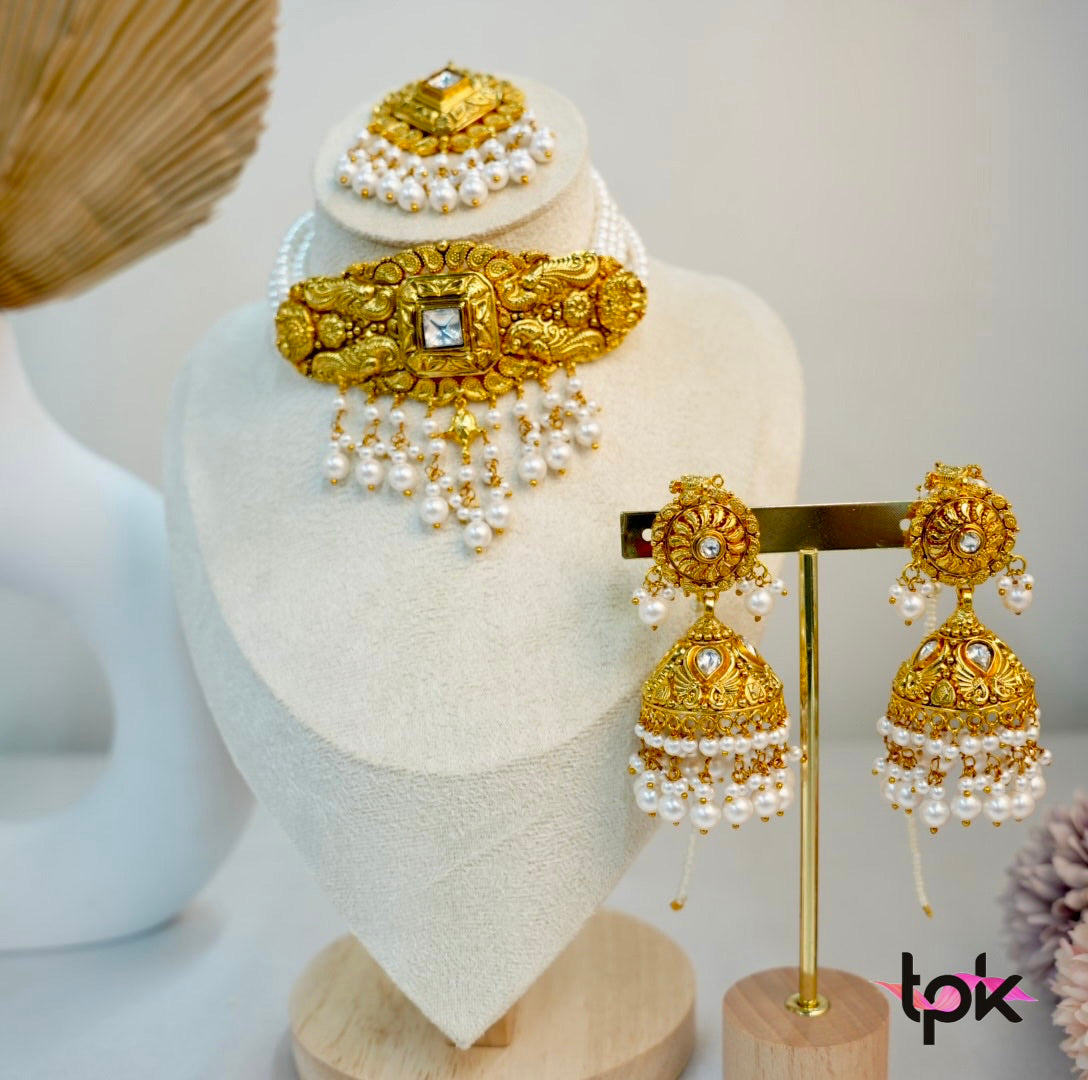
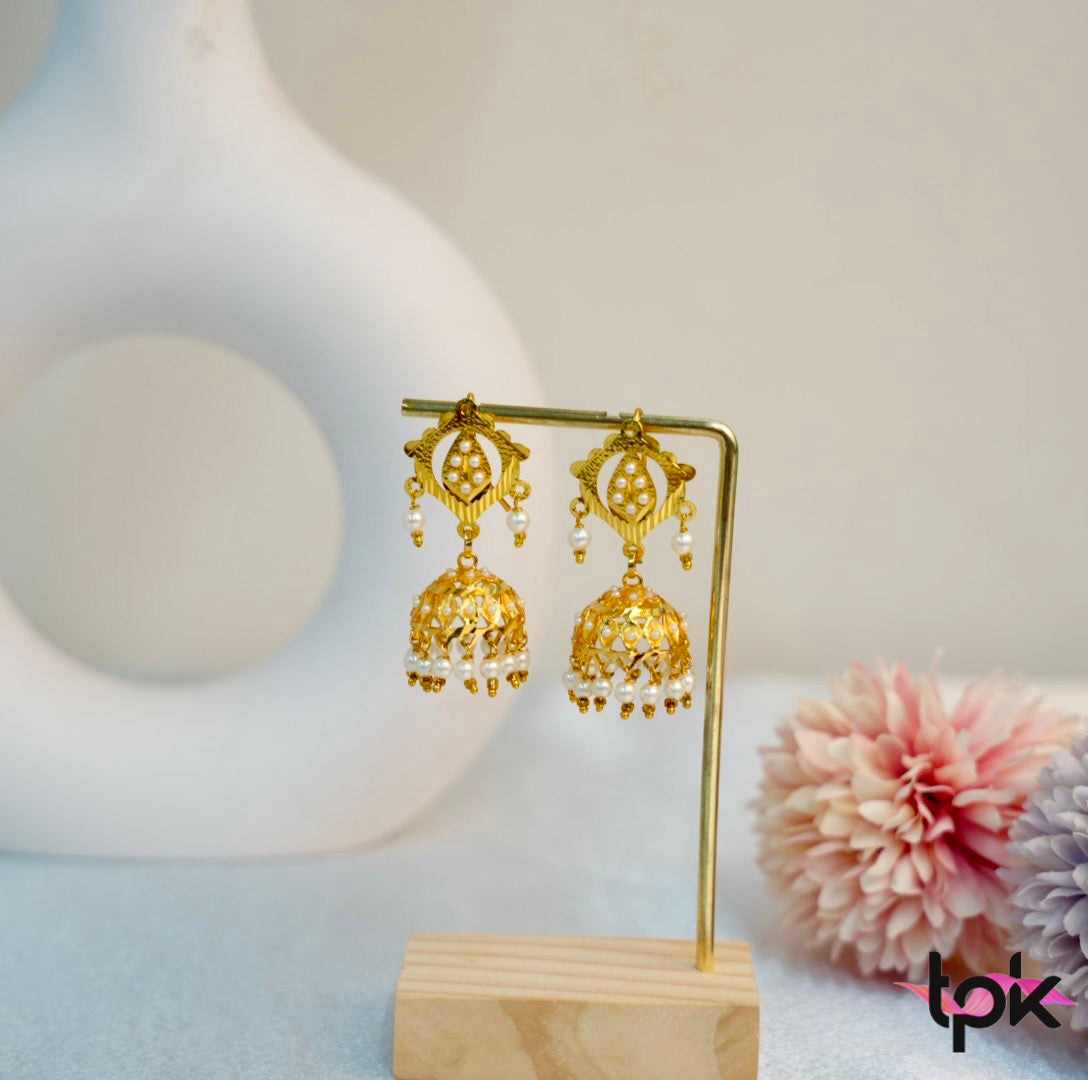
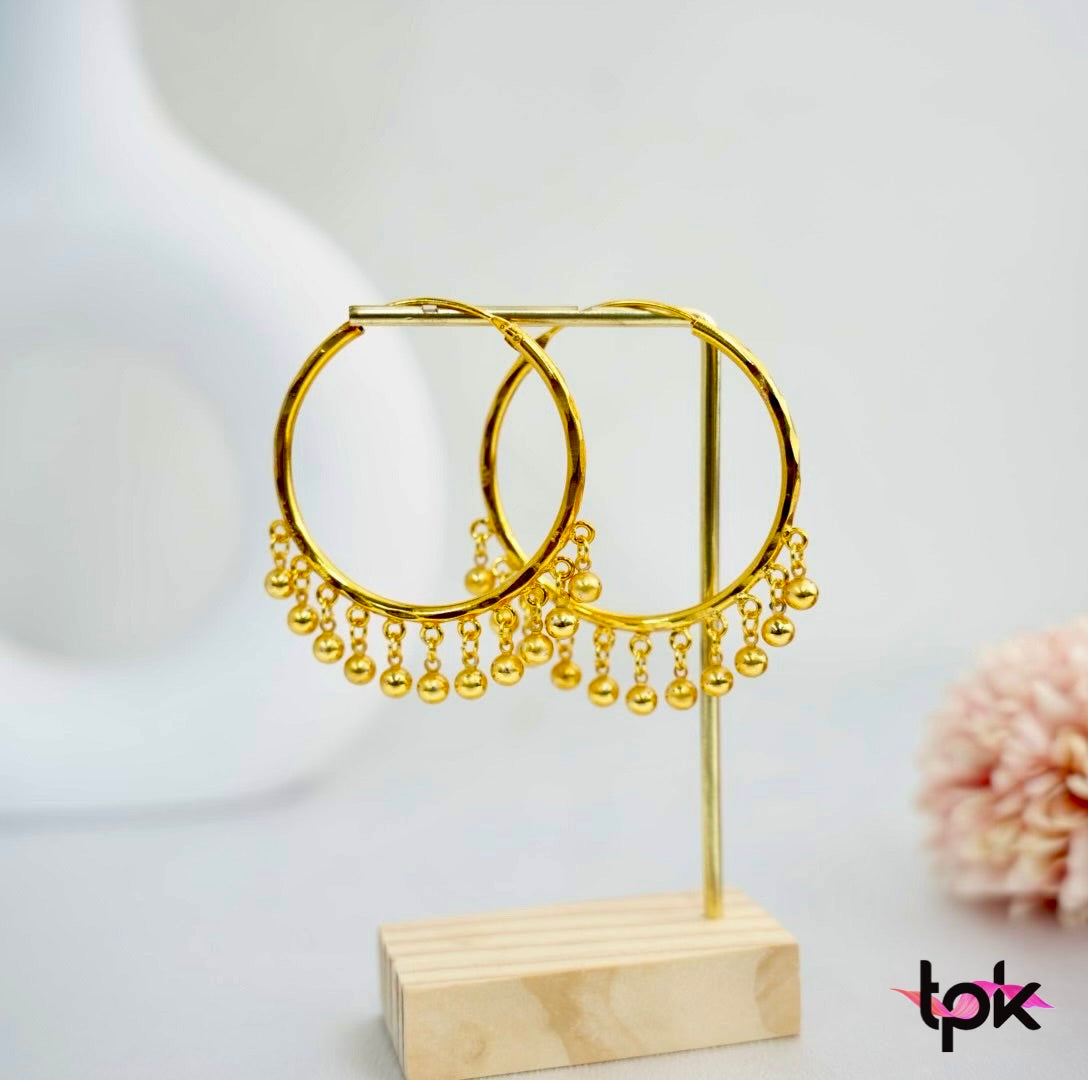
We stock ready-to-wear traditional jewellery, including elegant choker sets, jhumki earrings, and ghungroo waaliyaan, making it easy to complete your festive look for Rakhi, weddings, and special occasions.
How Often to Polish
Polishing is not a weekly task. Over-polishing gradually wears down the metal, since each pass removes a microscopic layer of silver along with the tarnish. For necklaces worn regularly, polishing every four to six weeks is generally enough to maintain shine without excessive wear.
Pieces stored long-term may need a single polish before their next wear, rather than routine maintenance.
Mistakes to Avoid
Using a dry cloth without any polishing compound does little beyond moving dust around and will not lift bonded tarnish.
Circular polishing motions create fine swirl marks that become more visible under direct light over time, especially on flat pendant surfaces.
Skipping the final buff leaves behind polishing residue in engravings and settings, which attracts dust and dulls the piece faster after polishing.
Frequently Asked Questions
Is polishing the same as cleaning silver?
No. Cleaning removes surface dirt and oils, while polishing removes bonded tarnish using mild abrasion. Both are useful, but heavily tarnished pieces need polishing specifically.
Can I polish silver-plated jewellery the same way?
Use lighter pressure and fewer passes on plated pieces, since the silver layer is thin and can wear through faster than solid sterling silver under repeated polishing.
Do polishing cloths wear out?
Yes. Once a polishing cloth turns dark or loses its texture, it has absorbed as much tarnish as it can hold and should be replaced.
Can I make my own silver polish at home?
Baking soda mixed with a small amount of water creates a mild abrasive paste that works in a pinch, but dedicated polishing cloths are gentler and reduce the risk of scratching.
Final Thoughts
Polishing brings tarnished silver back to life, but technique matters more than effort. Light pressure, straight strokes, and the right cloth do more for a necklace than aggressive scrubbing ever will. Explore The Punjabi Kudi's jewellery collection for pieces built to hold their shine with simple, regular care.
