

Diwali Decoration & Rangoli Ideas for Australian Homes (2026)
Diwali Decoration & Rangoli Ideas for Australian Homes (2026)
With Diwali on Sunday 8 November 2026, the weekend before is the perfect time to decorate. In Australia, that means working with warm spring evenings, rental apartment rules and outdoor spaces that Indian homes rarely have. The good news is that the core of Diwali decoration is simple: light, colour and a welcoming entrance.
This guide covers easy rangoli designs for beginners, traditional motifs and what they mean, diya and lighting ideas, and how to decorate safely.
What is rangoli?
A rangoli is a decorative design drawn on the floor, usually at the entrance of a home. According to Britannica, the word comes from the Sanskrit rangavali, meaning "line of colour". That makes it a natural partner to Diwali, which comes from deepavali, "row of lights".
The art form has many regional names. It's called kolam in Tamil Nadu, alpana in West Bengal and mandana in Rajasthan. Britannica records how one woman summed it up to The New York Times: rangoli is to Diwali what the Christmas tree is to Christmas.
A rangoli at the doorway is a welcome. For Diwali, it is a welcome to Goddess Lakshmi, which is why it sits near the entrance and is often surrounded by lit diyas.
Traditional rangoli motifs and their meanings
Understanding the symbols makes your rangoli more meaningful. Common Diwali motifs include:
-
Lotus (kamal): Goddess Lakshmi's primary symbol, representing purity and prosperity. Shubh Panchang lists it among the most traditional Diwali motifs.
-
Small footprints walking inward: Lakshmi entering the home. Draw them from the doorway towards your puja space.
-
Diya: the lamp itself, symbolising light conquering darkness.
-
Swastika: an ancient Vedic symbol of auspiciousness, used in Hindu households.
-
Peacock: grace and beauty, popular in North Indian designs.
-
Geometric dot patterns: the basis of South Indian kolam, built by looping lines around a grid of dots.
10 easy rangoli designs for Diwali
You don't need to be an artist. Start small, around 60 cm across, and build up.
-
Single lotus. Draw eight petals around a circle. Fill alternating petals with pink and white, and place one diya in the centre.
-
Diya rangoli. Outline a large diya shape with a flame on top. Fill the base in orange and red, and add a yellow flame.
-
Concentric circles. Use a bowl and a plate as guides. Fill each ring with a different colour for a bold mandala in under 20 minutes.
-
Flower petal rangoli. Use marigold, rose and chrysanthemum petals instead of powder. It smells beautiful and cleans up easily.
-
Dot kolam. Make a 5×5 grid of dots with chalk, then loop lines around them. It's a perfect first design for kids.
- Lakshmi footprints. Draw a pair of small feet every 30 cm from the door to the puja area.
-
Peacock corner. Fill one corner of your entrance with a peacock feather fan in blue, green and gold.
-
Stencil rangoli. Use a store-bought or printed stencil and sprinkle colour through it. This is the fastest way to get a neat result.
-
Rice and lentil rangoli. Use dyed rice, yellow moong dal and red masoor dal. It's textured, cheap and made from pantry staples.
-
Floating diya rangoli. Fill a wide, shallow bowl with water, scatter petals on top and float tea lights. This works well on a table if you can't use the floor.
Rangoli tips for Australian homes and rentals
Protect the floor. Rangoli powder can stain grout and pale timber. In a rental, draw on a large sheet of cardboard, an old tablecloth or a removable vinyl mat placed at the door.
Go outdoors carefully. If you're drawing on a porch or balcony, spring winds can scatter dry powder within minutes. Flower petals, rice or a wet rangoli made from rice flour paste hold up better outside.
Use chalk for the outline. Sketch with white chalk first. Mistakes rub off easily before you add colour.
Photograph it early. Take your photo in the golden hour before sunset, then again after dark once the diyas are lit.
Diwali decoration ideas beyond the rangoli
Diya clusters. Group clay diyas in threes and fives on windowsills, steps and the dining table. Odd numbers look more natural.
Fairy lights and lanterns. Warm white or gold string lights along the balcony rail, the doorframe or the staircase make your home glow from the street. Hanging paper or fabric lanterns (kandil) add colour above eye level.
Toran over the door. A toran is a decorative hanging over the main entrance, traditionally made from mango leaves and marigolds. A reusable fabric or beaded toran lasts for years.
Marigold garlands. Real or artificial marigold strings are the fastest way to make any room feel festive. Drape them along shelves, doorways and the puja space.
The puja corner. Make this the most beautiful spot in your home. Lay a red or yellow cloth, add your Lakshmi and Ganesha idols, and arrange a decorated thali. Our Pooja Thali, Tulsi Mala & Rudraksha Mala Guide explains what to include.
The table. If you're hosting, use a phulkari dupatta as a table runner. The bright embroidery instantly makes the table feel Punjabi and festive. Learn more in What is Phulkari? or shop our phulkari collection.
Gift display. Arrange your Diwali hampers near the entrance so guests leave with one. See our Diwali & Wedding Gift Hampers guide and the gift hampers collection.
Diya and candle safety
Diyas are the soul of Diwali, but they are open flames. The South Australian Metropolitan Fire Service says candles, lamps and similar cause more than 40 preventable fire deaths in Australian homes each year.
Follow the advice from Fire and Rescue NSW and the MFS:
- Never leave diyas or candles unattended. Put them out when you leave the room and before bed.
- Place them on a stable, heat-resistant surface, well away from curtains, dupattas, paper decorations and garlands.
- Don't put lit diyas in windows where blinds or curtains can close over them.
- Keep them out of reach of children and pets.
- Check that your smoke alarms work before Diwali.
- Consider battery-operated LED diyas for hard-to-watch spots, kids' rooms and rentals.
One extra Diwali tip: tie back long dupattas and loose sleeves while lighting diyas and doing aarti. Silk and chiffon catch fire quickly.
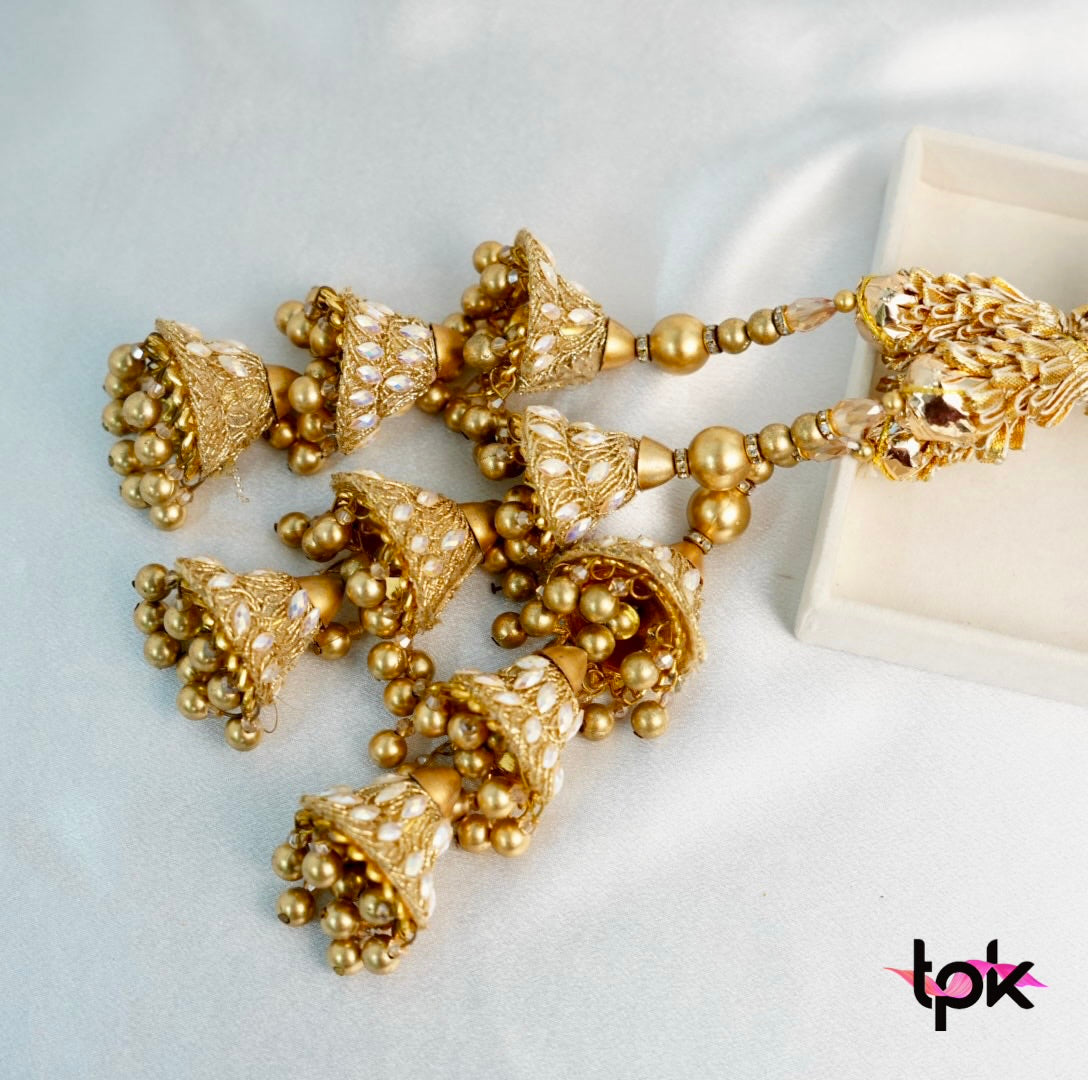
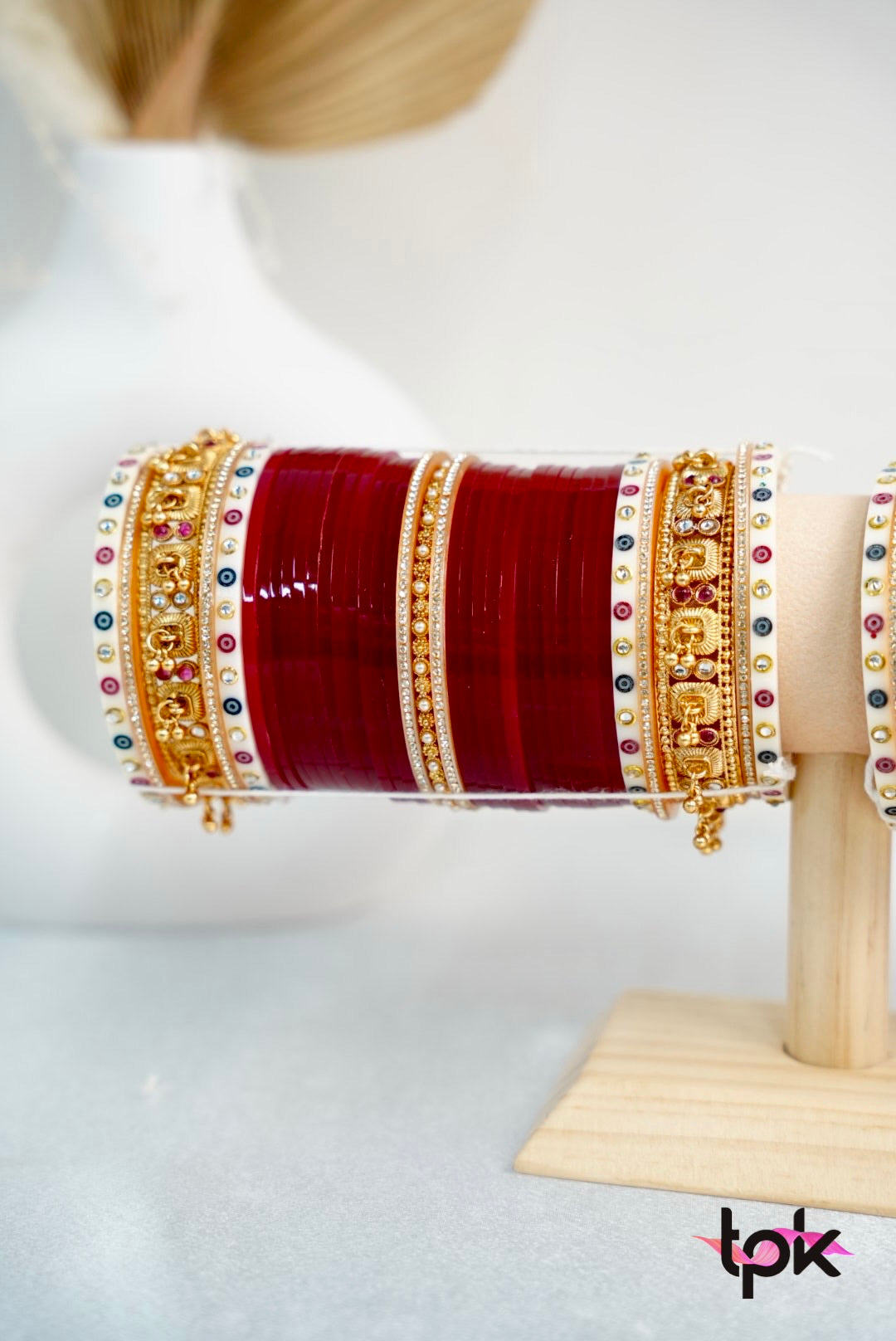
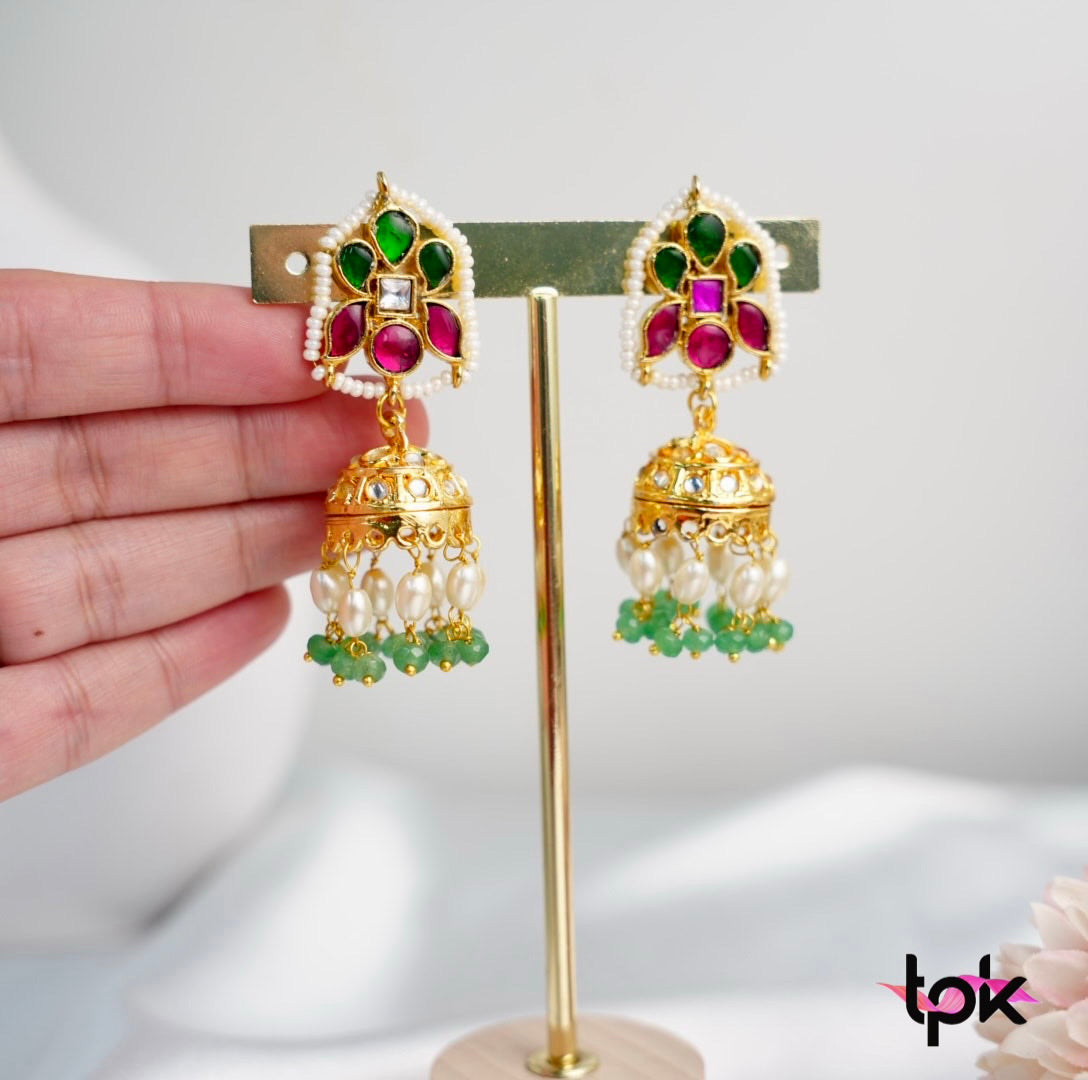
Explore our beautiful collection of traditional Punjabi jewellery and accessories, perfect for weddings, festive celebrations, and special occasions. From elegant parandi styles to bridal choora and stunning kundan earrings, find the perfect pieces to complete your traditional look.
What about fireworks?
In most Australian states and territories, it's illegal for the public to set off fireworks. Enjoy them at a licensed public display instead. Our Diwali 2026 Australia guide explains the rules state by state and lists major events.
Dress the part
Once the house is ready, it's your turn. Glass bangles, jhumkas and a bright dupatta complete the Diwali look. Browse our glass bangles, earrings and paranda collections. For full outfit ideas, see our Festival Wear Guide.
Frequently asked questions
When should I make my Diwali rangoli?
Most families draw it on Dhanteras or Choti Diwali (6 or 7 November 2026) and refresh it on Diwali day, Sunday 8 November.
What can I use instead of rangoli powder?
Flower petals, coloured rice, lentils, coloured salt and chalk all work well. Flower petals are the easiest to clean up indoors.
Where should a Diwali rangoli go?
Traditionally at the main entrance, to welcome Goddess Lakshmi. A second rangoli near the puja corner is also common.
Are LED diyas acceptable for Diwali?
Many families mix real diyas at the puja with LED diyas elsewhere for safety. For the puja itself, check with your family or temple's tradition.
What are the most popular Diwali decorations?
Diyas, rangoli, fairy lights, marigold garlands, torans and lanterns.
For wishes to share with your photos, read our Diwali wishes in English, Punjabi and Hindi.
Shubh Deepavali from The Punjabi Kudi.
Sources:Britannica: Rangoli · Shubh Panchang: Diwali · Fire and Rescue NSW: Candle safety · SA Metropolitan Fire Service: Candles
