

Can You Shower in a Sterling Silver Necklace?
Sterling silver can technically get wet without ruining it, but showering in it regularly is not recommended. Soap residue, shampoo chemicals, and hot water speed up tarnishing and can dull the finish over time, especially on plated or gemstone pieces. A quick splash of water will not cause damage, but daily showers in silver jewellery shorten its lifespan.
This guide explains what actually happens to sterling silver in the shower, when it is genuinely risky, and how to protect a necklace you rarely take off.
What Happens to Silver When It Gets Wet
Water alone does not damage sterling silver. The metal is chemically stable in water, and a necklace accidentally worn into the shower once will not suffer lasting harm. The real risk comes from what is in the water and what is added to it.
Shampoo, conditioner, body wash, and soap all contain sulfur-based compounds and fragrances designed to interact with skin and hair. These same compounds accelerate the tarnishing reaction on silver, since sterling silver already darkens from exposure to sulfur in the air. Hot water opens the metal's surface pores slightly, letting these chemicals settle into engravings, clasps, and chain links where they are hard to rinse out fully.
Chlorinated water, whether from a treated shower system or a pool, is more damaging. Chlorine reacts with the copper content in sterling silver and can cause pitting, a form of surface damage that does not polish out.

Why Regular Showering in Silver Is a Problem
The issue is not any single shower. It is repetition. A necklace worn into the shower every day accumulates soap film in its crevices, and that film traps moisture against the metal long after you have dried off. Trapped moisture combined with soap residue is the fastest path to visible tarnish, often within a week or two of daily exposure.
Plated jewellery faces a bigger risk than solid sterling silver. A silver-plated piece has a thin layer of silver over a base metal, and repeated exposure to soap and hot water wears through that layer faster than normal wear alone. Once the plating thins, the base metal underneath is exposed and starts to show through as discoloration.
Necklaces with gemstones, pearls, or enamel work carry additional risk. Pearls are porous and absorb chemicals from shampoo and soap, which dulls their natural shine permanently. Many gemstone settings use glue or resin that softens with repeated hot water exposure.
When It's Genuinely Fine to Get Silver Wet
A quick rinse, a splash of rain, or washing your hands while wearing a silver necklace will not cause noticeable damage. The risk scales with exposure time and chemical concentration, not with a single brief contact.
Solid sterling silver without stones or plating tolerates occasional water exposure reasonably well, provided it is dried promptly afterward. The keyword is occasional. A necklace worn to the beach one day and dried immediately afterward is very different from one worn into a hot, soapy shower every morning.
How to Protect a Necklace You Rarely Remove
If you wear a piece daily and prefer not to take it off before showering, dry it thoroughly with a soft cloth immediately after. Pay particular attention to the clasp and any engraved detailing, since these areas trap moisture longest.
Rinse the necklace under clean, non-chlorinated water after a shower to remove any soap film before it has time to sit on the metal. This one habit prevents most of the tarnish buildup associated with daily showering.
Store the necklace in a dry space between wears rather than leaving it in a humid bathroom. Bathroom humidity from repeated showers, even when the necklace itself is not being worn, contributes to tarnish over time.
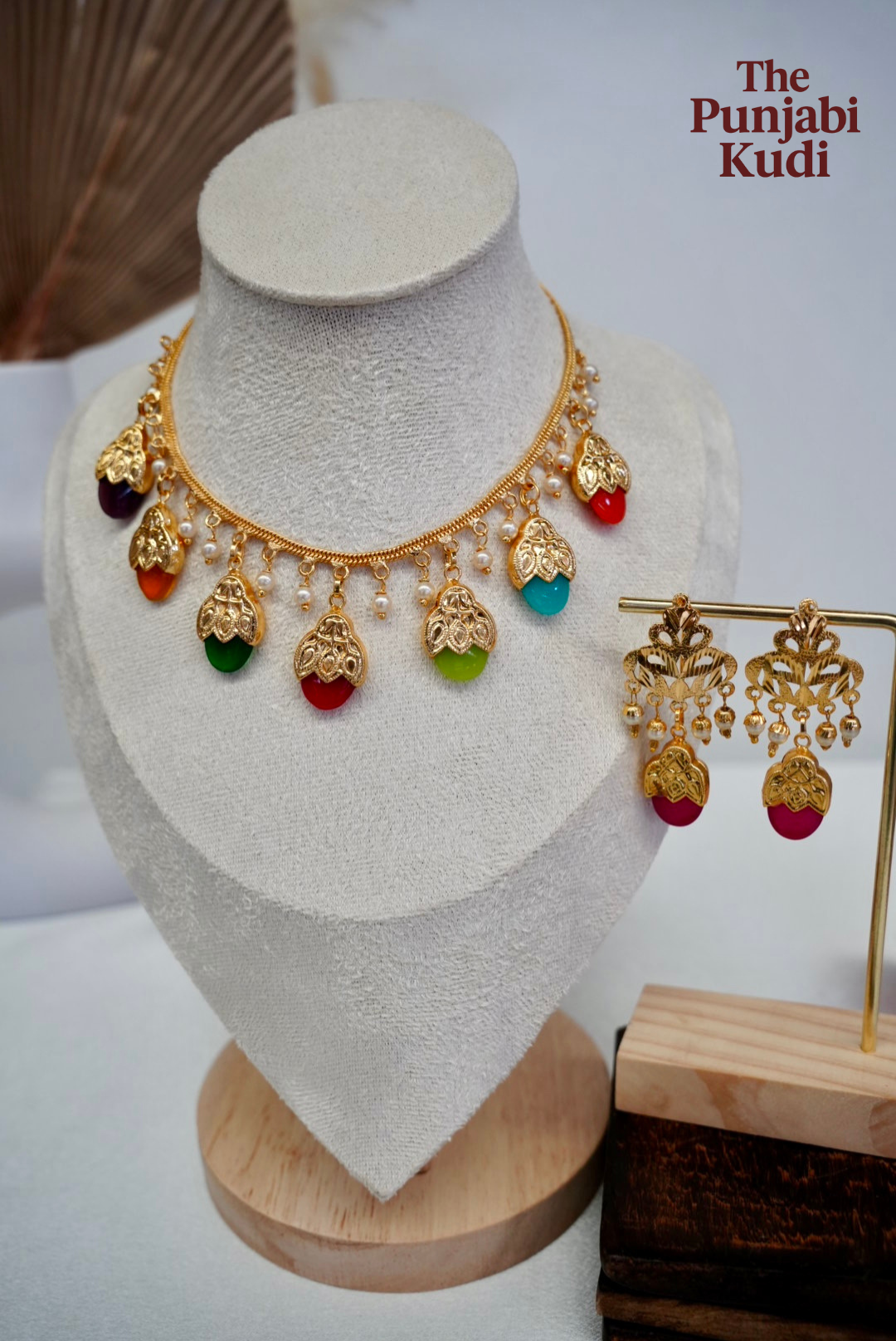
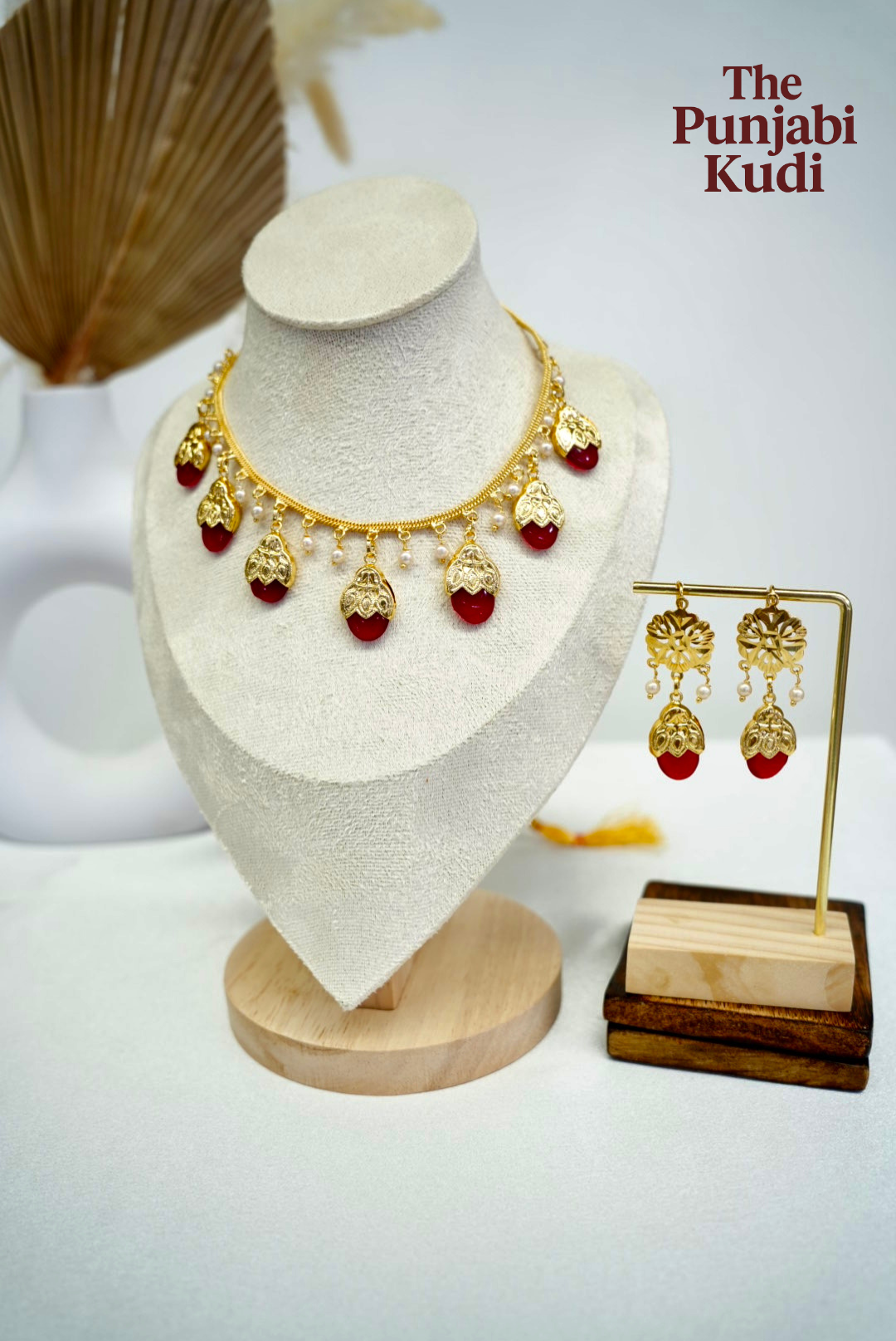
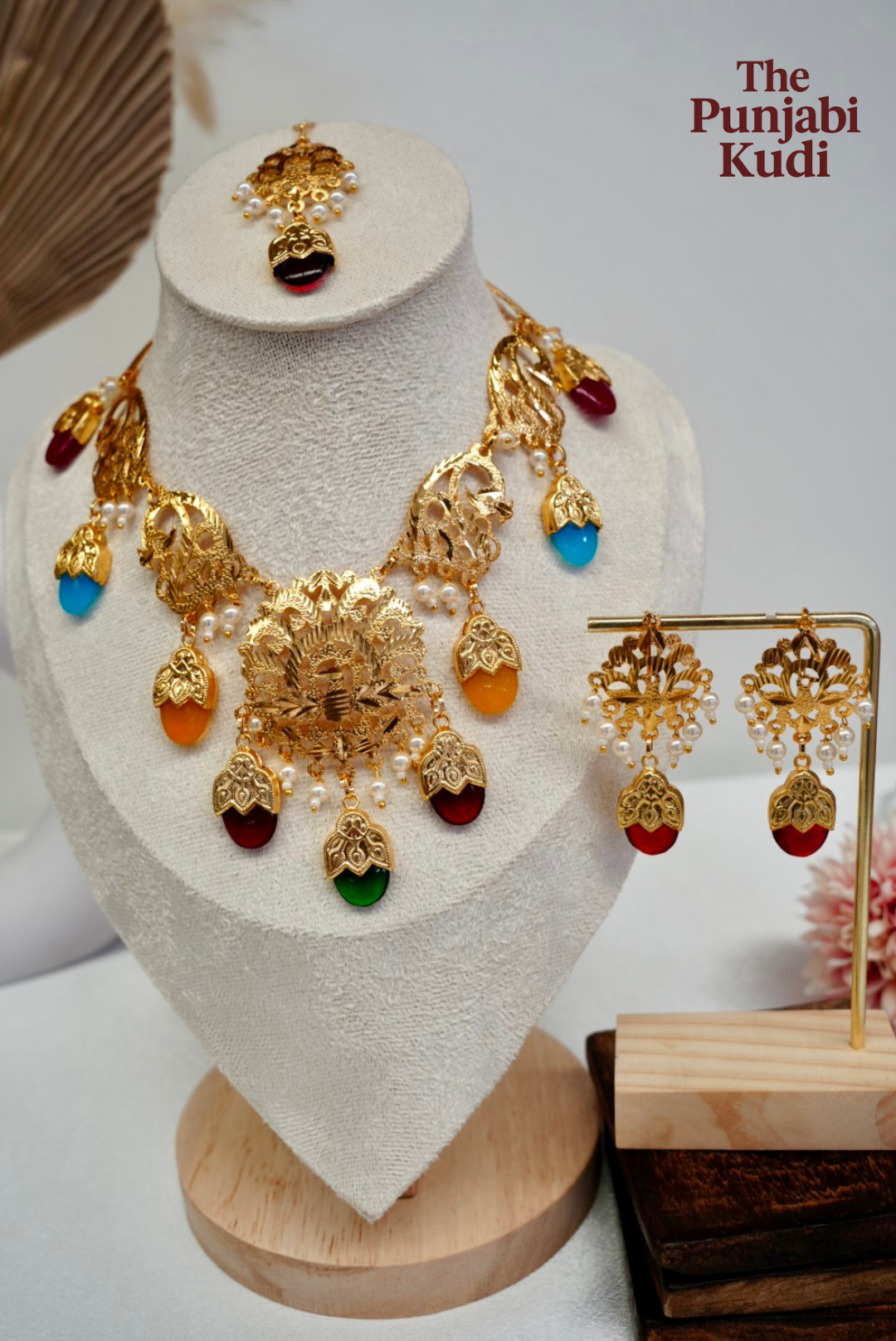
We stock beautiful traditional Punjabi Dakh Sets in vibrant multicolor and red stone designs, including elegant sets with matching tikka, making it easy to complete your festive or wedding look with authentic Punjabi jewellery.
What to Avoid Entirely
Swimming pools and hot tubs should always mean removing silver jewellery first. Chlorine and bromine both cause pitting that no amount of polishing reverses.
Saltwater exposure at the beach also accelerates tarnishing, since salt is corrosive to most metals, including sterling silver.
Hair products applied directly before or during a shower, particularly those with sulfates or strong fragrances, sit on the skin and jewellery simultaneously and transfer chemicals onto the necklace faster than shampoo alone.
Frequently Asked Questions
Will sterling silver rust if it gets wet?
No, silver does not rust, since rust is a reaction specific to iron. Silver tarnishes instead, which is a different chemical reaction caused mainly by sulfur exposure rather than water itself.
Is it safe to wear silver jewellery while swimming?
It's best avoided. Chlorine and salt water both cause pitting on sterling silver that cannot be polished out, unlike ordinary tarnish.
Does gold-plated jewellery have the same shower risk as silver?
Yes, in a similar way. Repeated exposure to hot water and soap wears down the plating layer faster, exposing the base metal underneath sooner than normal wear would.
How do I know if my necklace has been damaged by shower exposure?
Look for pitting, a rough or dimpled texture on the metal surface, rather than the smooth blackening of ordinary tarnish. Pitting indicates chemical damage and is a sign to avoid future water exposure on that piece.
Final Thoughts
An occasional splash will not ruin a sterling silver necklace, but daily showers introduce soap, heat, and sometimes chlorine, all of which speed up tarnish and wear on plating. If you love wearing a piece every day, the safest habit is simple: rinse it clean and dry it fully right after. Browse The Punjabi Kudi's jewellery collection for everyday pieces built to handle real wear.
